
The three peaks
Demand on US and Canada to India routes is not evenly spread across the year, and it is not random. Three periods do most of the work.
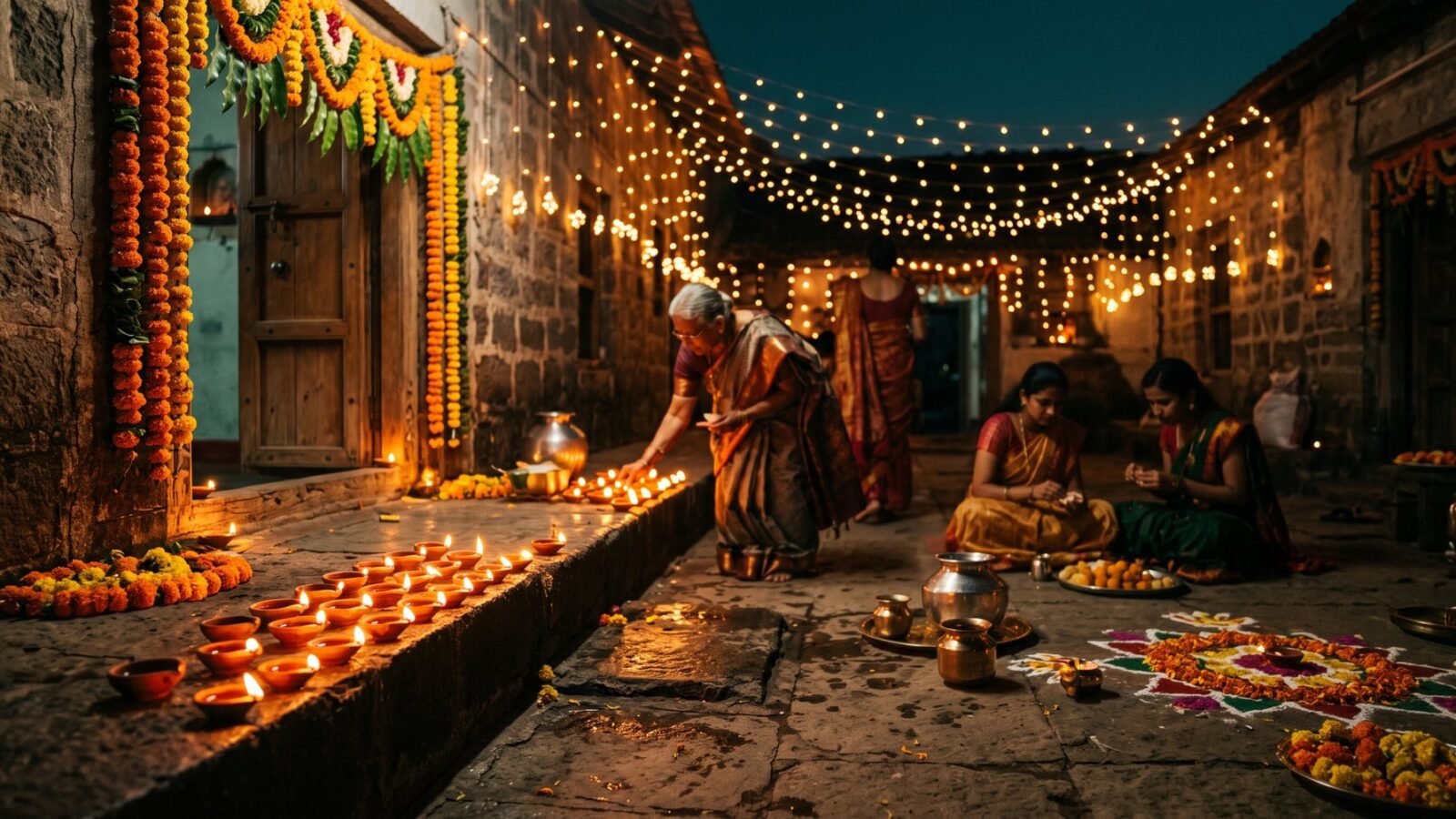
The festive and wedding season, roughly October into November, is the sharpest. Diwali 2026 falls on Sunday 8 November, with the five day festival spanning roughly 6 to 10 November, and Diwali 2027 falls on Friday 29 October. Around those dates diaspora demand stacks on top of North Indian wedding season, which runs heaviest from November into January. On the Punjab routes the wedding trade and the Diwali trade land on the same aircraft.
The Christmas and New Year window, mid December through the first week of January, is the second. School calendars on both sides of the border, and the only long block of leave many people get.
Summer, June through August, is the third. It is the least intense day to day and it lasts long enough that there is nowhere cheap to hide inside it.
What the three share is that the demand is not price sensitive. People flying home for Diwali, or during the only fortnight the children are off school, do not move their trip because the fare moved. Which is why waiting for a drop inside these windows so rarely works.
The softer windows
Late January through March is the clearest one. Winter holiday traffic has cleared, wedding season is winding down, and no festival is pulling anybody home. If your dates are flexible, that is the window we point at first.
September is the other. After the North American Labour Day holiday, once school calendars restart and before the festive run up begins, fares are consistently described as lower than the July and August peak. It is short, and it closes as Diwali approaches, which in a year like 2026 means earlier than people expect. Late August is a partial exception inside the summer peak, reported as softer than June and July.
One caveat about all of this. The general shape is reliable and it matches what we see on our own desk. But much of the published evidence behind it traces back to travel industry blogs rather than independent fare data, which is why you will not find percentages on this page. We will describe the pattern. We will not dress an estimate up as a measurement.
How far ahead to book, by window
The right lead time depends on which window you are flying in, and the gap between peak and off peak is wider than most people assume.
For peak travel, industry guidance lands somewhere between 60 to 90 days ahead and a four to eight month window, depending on how sharp the peak is. For Diwali or a wedding season trip, the longer end is not excessive. On the Punjab routings during wedding season we tell people six months out is not too early, because the constraint is not only the fare. It is seat availability on the connecting legs, and the domestic Amritsar hop sells out first.
For off peak and shoulder travel, eight to twelve weeks is commonly cited as enough.
Treat those as rules of thumb rather than a schedule. What drives the decision is whether your date is fixed. Flying for a wedding, a funeral or a visa appointment, the date is not yours to optimise and lead time is your only lever. If any of six weeks would do, that flexibility is worth more than any booking window rule.
What we will not do is tell you that fares will rise if you wait. We do not know that, nobody does, and manufacturing that pressure is the oldest move in this industry. We will tell you what the fare is today, when we checked it, and what the pattern on your route usually looks like.
Why summer is peak when it is monsoon season in India
June to August is not good weather in most of India. Large parts of the country are in monsoon, and it is hot before the rains arrive.
The demand has nothing to do with Indian weather. It is North American school calendars. Summer is when families with school age children can travel for three or four weeks, and that is what fills the aircraft, with university students on top of them. A peak driven entirely from this side of the ocean.
So you pay peak prices for the weakest weather at the destination end. If your trip is not tied to a school calendar, summer is close to the worst combination available: high fares, monsoon, heat.
The counter argument is real. Monsoon travel is not a disaster, flights are not routinely cancelled by it, and much of the country is greener and cooler than in May. If summer is your only window it is workable. Just do not choose it believing it is the cheap season.
Canada is on a slightly different clock
The broad peaks are shared. The Canadian market has its own rhythm underneath them.
Punjab wedding season carries more weight on Canadian routes than on most US ones, because Toronto and Vancouver hold Canada’s largest Punjabi Sikh populations, in Brampton and Surrey. On Toronto and Vancouver to Amritsar traffic, mid November through February is the dominant peak, with Diwali stacking on top of it in October and November.
Ontario and British Columbia school boards break for Christmas and New Year, which puts a Canadian bump on mid December departures on top of the general holiday peak.
There is a structural point too. Some Canadian nonstops to India are seasonal rather than year round, so the shape of what is available changes across the year, not just the price. A route being off season for its nonstop does not mean it cannot be booked. It means the sensible routing that month is a one stop.
If you are flying from Canada, tell us the city as well as the dates. The answer for Toronto is often not the answer for Vancouver, and it is rarely the answer for Calgary.